Get Marketing Insights First
Subscribe to receive actionable strategies, growth tips, and industry insights delivered straight to your inbox.
Choosing where to stay in London for the first time is less about finding one perfect neighbourhood and more about making your days easier. A hotel near the places you want to visit—and a station you can use comfortably—can make a bigger difference than an impressive room across the city.
For a first visit built around sightseeing, restaurants and a West End show, Covent Garden is our strongest all-round starting point. Choose South Bank and Waterloo for riverside sightseeing, South Kensington for museum days with children, or Paddington if straightforward Heathrow connections are a priority.
This guide compares eight practical bases, explains their drawbacks and suggests hotels and aparthotels to investigate. Recommendations reflect location and trip suitability; they are not claims that we have personally stayed at every property. Hotel facilities and transport services should be checked for your travel dates.
These are starting points, not fixed rankings. Hotel prices and noise levels vary street by street.
| Area | Best fit | Main advantage | Main trade-off | Stations to check against the hotel address |
|---|---|---|---|---|
| Covent Garden and the Strand | Short first visits and theatre | Easy access to the West End on foot | Busy streets and often expensive rooms | Covent Garden, Leicester Square, Charing Cross |
| Westminster and St James’s | Landmark-focused sightseeing | Parliament, the Abbey and royal parks nearby | Less late-night choice than Soho | Westminster, St James’s Park, Victoria |
| South Bank and Waterloo | Riverside sightseeing and mixed-age trips | River walks and strong transport connections | Tourist crowds around major attractions | Waterloo, Westminster |
| South Kensington and Gloucester Road | Families and museum visits | Major museums and Kensington Gardens | More travel to eastern London sights | South Kensington, Gloucester Road |
| Bloomsbury and Holborn | Museums and a balanced central base | British Museum and access to the West End | Main roads can be busy; room sizes vary | Russell Square, Holborn, Tottenham Court Road |
| Paddington | Heathrow arrivals and rail convenience | Airport connections and a wide accommodation choice | Less immediate West End atmosphere | Paddington, Lancaster Gate, Edgware Road |
| London Bridge and Bankside | Food, markets and riverside exploring | Borough Market, Tate Modern and eastern river sights | West End evenings need a journey | London Bridge, Borough, Southwark |
| Shoreditch and Spitalfields | Nightlife, restaurants and repeat-style exploring | Strong food and evening scene | Not the simplest base for a classic landmark checklist | Old Street, Liverpool Street, Shoreditch High Street |
“Near a station” means little until you check the walk from the actual hotel entrance. Neighbourhood names cover broad areas, and the closest station is not always the most useful one.

Covent Garden works particularly well when you want your first few days to feel straightforward. You can build evenings around dinner and a show without planning a long journey back afterwards. The Strand, Trafalgar Square and the surrounding West End also give you several directions to explore on foot.
The compromise is popularity. Streets around theatres, restaurants and the market can be crowded, and a central address does not guarantee a quiet bedroom. Ask about room position if you sleep lightly.
Choose it if: you have two to four nights and want sightseeing, restaurants and theatre within an easy central base.
Think twice if: you need substantial room space on a tight budget or want a quieter residential atmosphere.
Area takeaway: Pay for this location when you will use its walkability, especially after a late theatre finish.
Westminster is a strong fit when your first-trip wish list begins with Big Ben, the Houses of Parliament and Westminster Abbey. St James’s adds access to park walks and the Buckingham Palace area.
The important distinction is between convenience for daytime landmarks and convenience for your evenings. A hotel here can suit a sightseeing-led trip beautifully, while visitors planning several late nights in Soho may prefer to stay closer to the entertainment district.
Choose it if: iconic sights and royal London matter more than nightlife.
Think twice if: your ideal evening involves moving between bars and restaurants until late.
Area takeaway: Westminster makes sense when the sights outside the hotel closely match your itinerary.

South Bank gives first-time visitors an easy way to enjoy London between booked attractions. A walk beside the Thames can become part of the day rather than simply a route from one stop to the next.
Around Waterloo and County Hall, you are well placed for the London Eye and the Westminster end of the river. This is a different base from London Bridge farther east, even though both sit south of the Thames.
Do not assume riverside means peaceful. Attraction entrances, bridges and busy roads can be crowded, and a river view is usually a room-category question.
Choose it if: you want a sightseeing base with riverside walks and access to Waterloo.
Think twice if: you want a small neighbourhood feel or expect every room to overlook the Thames.
Area takeaway: Choose the Waterloo end of South Bank for Westminster-area sightseeing; choose Bankside or London Bridge for a more easterly itinerary.
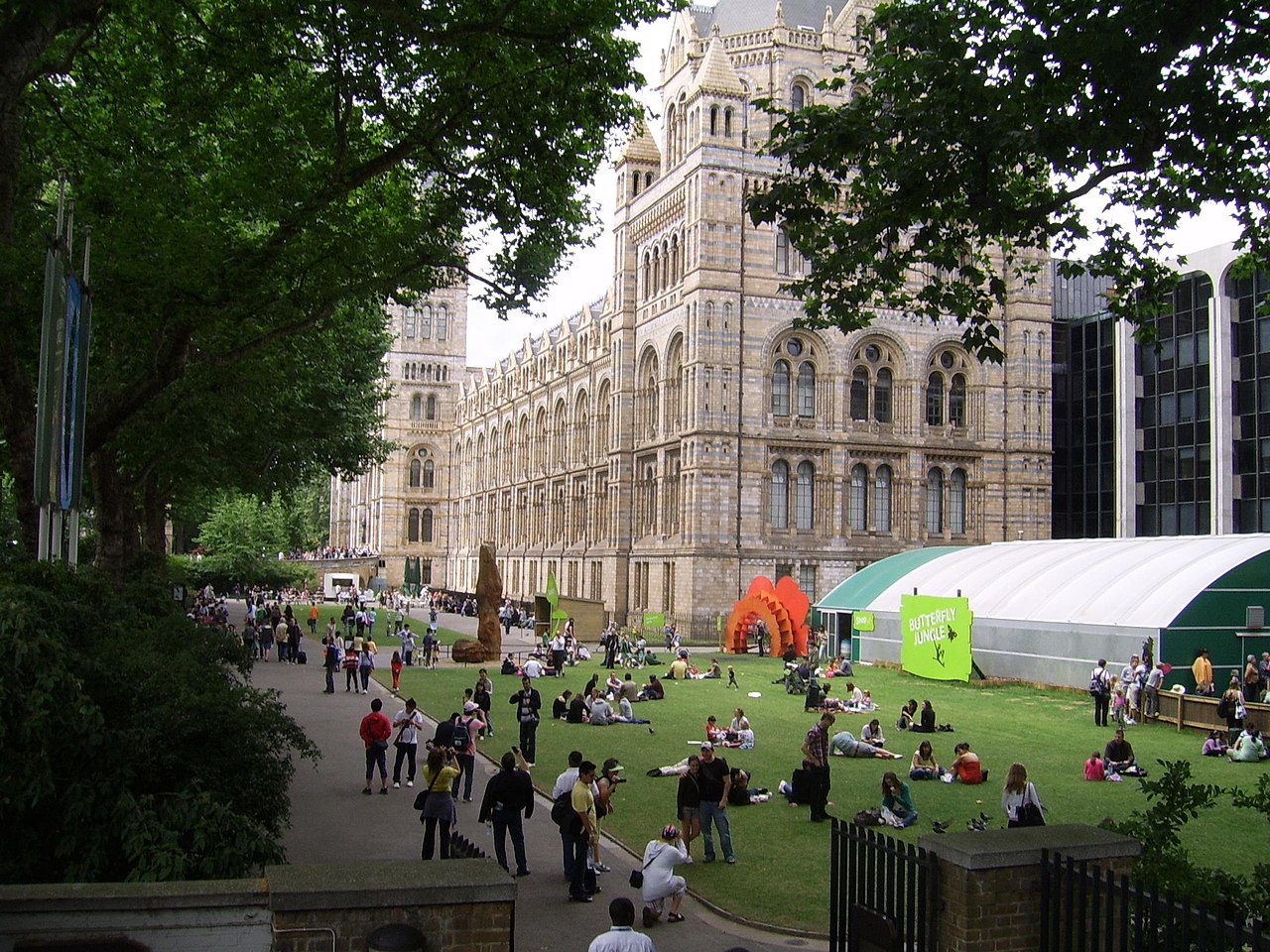
South Kensington is a sensible starting point when museum visits are a major part of the holiday. The Natural History Museum, Science Museum and V&A make it possible to organise several outings without repeatedly crossing the city.
Gloucester Road is worth including in your search rather than restricting yourself to hotels beside South Kensington station. Compare the specific address with the museums, parks and station you expect to use.
The trade-off is distance from sights around the Tower of London and the eastern river. You can reach them by public transport, but they are not on your doorstep.
Choose it if: you are travelling with children, planning several museum visits or prefer this part of west London.
Think twice if: most of your plans centre on Shoreditch, Borough Market or eastern London.
For more self-catering options, explore our guide to serviced apartments in London.
Area takeaway: South Kensington is particularly useful when it reduces the number of journeys your family needs to make.
Bloomsbury and Holborn deserve consideration if you want a central location without making nightlife the focus of your stay. The British Museum is a major draw, while parts of the West End are accessible on foot from many addresses.
This area rewards careful map checking. A hotel near Russell Square gives you a different starting point from one at the southern end of Holborn. Similarly, a bedroom on a busy road may feel very different from one overlooking a quieter street.
Choose it if: you want museums, central access and flexibility across several sightseeing days.
Think twice if: being immediately beside the river or your theatre is essential.
Area takeaway: This is a useful compromise area, but the street and room category still matter more than the neighbourhood label.
Paddington is appealing when you want an uncomplicated link between Heathrow and your hotel. The Elizabeth line connects the airport with Paddington and continues through central London, so the airport train can also be useful during your stay.
However, Heathrow convenience does not automatically make Paddington the best location for every visitor. For a short trip dominated by West End evenings, paying more to stay closer to your activities may be worthwhile.
Hotel names can also be misleadingly broad. Paddington station, Paddington Basin and the surrounding streets cover different walks with luggage.
Choose it if: airport access, rail connections or accommodation choice are high priorities.
Think twice if: your main aim is to walk straight out into the theatre district each evening.
Area takeaway: Paddington works best when its transport advantages match your whole trip, not just your arrival day.
Choose this part of London if Borough Market, Tate Modern and walks along the river feature prominently in your plans. It can work particularly well for visitors who want to combine major sights with time spent eating and exploring between them.
London Bridge and Bankside are neighbouring areas, not interchangeable hotel locations. A Bankside address may put you nearer Tate Modern; a hotel around Tooley Street gives you a different starting point closer to Tower Bridge.
Choose it if: you enjoy markets, riverside walks and an itinerary weighted towards the eastern half of central London.
Think twice if: you want to return from West End shows on foot every night.
Area takeaway: Pin the hotel on a map before choosing between London Bridge and Bankside; the best address depends on which sights you will visit most.
Shoreditch and Spitalfields suit visitors who want restaurants, bars, markets and street-level exploring to be a major part of their London experience.
They can work for a first visit, but they would not be our default recommendation for someone whose plans revolve around Westminster, the royal parks and South Kensington museums. The extra travel may be worth it if you expect to spend most evenings here.
Noise is another deciding factor. Check the streets around the hotel and ask about room position if you plan early nights.
Choose it if: your evenings matter as much as your daytime sightseeing.
Think twice if: you want the simplest base for a traditional first-trip landmark itinerary.
Area takeaway: Stay here because you want to spend time here, rather than simply because you have found an attractive hotel rate.
These areas can also work, but they solve different problems.
Soho is worth considering for restaurants and nightlife. For light sleepers, the particular street and bedroom position are crucial. Nearby Covent Garden can offer a useful alternative, although it is also busy.
Mayfair and Marylebone deserve a look if shopping, dining and a more expensive hotel experience are priorities. Compare addresses individually: they are distinct areas, and an attractive luxury hotel is not automatically the most convenient base for your sightseeing list.
Notting Hill suits travellers who actively want its streets, shops and Portobello Road atmosphere. It is less compelling if you will leave every morning to sightsee elsewhere and only return to sleep.
A conventional hotel is often the simplest option for a short stay when you expect to eat out and spend most of your time exploring.
A serviced apartment or aparthotel becomes more attractive when you want breakfast at home, somewhere to sit after children go to bed, or more independence during a longer visit.
However, the labels do not tell you everything. A studio may put the bed, sofa and kitchen in one room. A one-bedroom apartment may offer a separate bedroom, but its sofa bed still needs to suit the people using it.
Before booking, check:
Compare options in our London serviced apartments guide. If London forms part of a wider family holiday, see our guide to family aparthotels in the UK.
Your airport is a useful tie-breaker between otherwise suitable hotels. It should not outweigh the location you will need for several days of sightseeing.
| Arrival | Areas worth comparing | Why |
|---|---|---|
| Heathrow | Paddington; Bloomsbury near Tottenham Court Road; South Kensington | Elizabeth line services reach Paddington and Tottenham Court Road; the Piccadilly line provides another route towards South Kensington |
| Gatwick | Victoria and the Westminster side; London Bridge; Bankside near Blackfriars | Rail services connect Gatwick with Victoria, London Bridge and Blackfriars |
| Eurostar at St Pancras | Bloomsbury; King’s Cross as an alternative base | These can reduce onward travel after arriving by train; compare the hotel’s actual walking route |
Check your terminal, arrival time, luggage needs and travel date. A direct train is useful, but a long walk or difficult station exit can change the experience. Use the TfL journey planner and select the accessibility options you need.
For Heathrow, consult TfL’s Elizabeth line airport guidance. For Gatwick, check the airport’s current rail connections. Planned works can change the best route.
Start with a total-stay budget rather than a nightly headline price. Compare the same dates, guest numbers and cancellation terms, then add breakfast, transport and any extra room your group needs.
For illustration, saving £30 a night over four nights saves £120. If the less convenient location also adds an hour of travel each day, the decision is whether that £120 saving is worth roughly four extra hours of your holiday. These are example figures, not quoted hotel rates.
Before paying, make five checks:
Two nights: prioritise location. Covent Garden, Westminster or the Waterloo end of South Bank can reduce travel between the classic sights, depending on your plans.
Three or four nights: consider Bloomsbury, South Kensington or London Bridge alongside the central favourites. Choose the area that best matches your planned days and evenings.
Five to seven nights: room comfort and useful facilities become more important. An aparthotel may be worth comparing, especially for families. For most sightseeing trips, using one well-connected base is easier than moving hotels just to experience another neighbourhood.
Covent Garden is our strongest all-round suggestion for a short first visit focused on sightseeing, restaurants and theatre. South Bank, Westminster and Bloomsbury are useful alternatives depending on your itinerary and room budget.
Choose Covent Garden for West End evenings and a very central sightseeing base. Choose South Kensington when museum visits, park time and family routines matter more. Check room space and transport routes before deciding.
South Kensington is a strong starting point for museum-focused trips. South Bank works well for riverside sightseeing, while Bloomsbury provides another central option. The right room layout and permitted occupancy are just as important as the area.
It can make sense if the saving is substantial and the connections suit your plans. Calculate the full transport cost and daily travel time. A lower nightly rate is less attractive when it adds difficult journeys to a short visit.
Yes, especially when Heathrow access is important. However, compare it with where you will spend your days and evenings. Airport convenience alone should not decide a week-long hotel booking.
There is no honest guarantee that one neighbourhood is completely safe. Choose a well-reviewed property, check the route you will use after dark and take ordinary city precautions. Avoid treating a broad neighbourhood label as a safety rating.
It depends on your stay. Hotels are convenient for short trips with meals out. Apartments can suit longer stays, families and travellers who value cooking facilities or a separate living area. Check the precise layout and services before booking.
Start with Covent Garden if you want the simplest all-round shortlist. Move South Kensington to the top for a museum-led family trip, South Bank for riverside sightseeing, or Paddington when its rail connections suit your plans.
Once you have chosen the area, compare the actual room and walking route. Those details will shape your experience far more than a hotel’s neighbourhood label alone.